

If your credit score has taken a hit, finding a usable credit card can feel frustrating. Many people assume that rebuilding credit always requires a security deposit or expensive fees. That is not always true. There are credit cards designed for people with bad credit that do not require a deposit, and when used carefully, they can become a practical tool for rebuilding financial trust.
Understanding Bad Credit and Why It Happens
Bad credit usually develops from missed payments, high credit utilization, defaults, collections, or financial disruptions such as medical bills or job loss. A low score does not define your financial character. It reflects past activity recorded by credit bureaus.
Many lenders view bad credit as a higher risk. That is why secured credit cards, which require a deposit, are often the first option presented. However, unsecured cards for bad credit exist because issuers recognize that not everyone can afford a deposit, and many people are actively working to improve their situation.
What No Deposit Credit Cards Really Mean
When searching for the best credit cards for bad credit with no deposit, it is important to understand what you are getting. These cards are unsecured, meaning you are not required to provide upfront collateral.
That does not mean they are risk free or cost free. No deposit credit cards for poor credit may include:
- Lower credit limits
- Higher interest rates
- Annual or monthly maintenance fees
- Tighter approval criteria compared to secured cards
The key advantage is accessibility. You can start building or rebuilding credit without locking up cash in a deposit.
How Credit Cards for Bad Credit Can Help Rebuild Your Score
Using a credit card responsibly is one of the most effective ways to improve a damaged credit profile. Payment history and credit utilization are two major factors in scoring models.
A no deposit credit card can help if:
- Payments are made on time every month
- Balances are kept low relative to the credit limit
- The account remains open and active over time
Even a modest credit limit can make a positive impact when managed consistently.
Key Features to Look for Before Applying
Not all options marketed as no deposit credit cards for bad credit are created equal. Before applying, it is wise to evaluate the structure of the card rather than focusing only on approval odds.
Reports to All Major Credit Bureaus
One of the most important features is whether the issuer reports activity to major credit bureaus. If payments are not reported, the card will not help rebuild credit.
Transparent Fees
Some cards offset the lack of a deposit with high fees. Look for clarity around annual fees, monthly maintenance fees, late fees, and penalty interest rates.
Reasonable Upgrade Path
A good sign is an issuer that reviews accounts periodically and offers credit limit increases or transitions to better products after responsible use.
Online Account Management
Easy access to payment scheduling, balance tracking, and alerts can help avoid missed payments and overspending.
Common Types of No Deposit Credit Cards for Bad Credit
Understanding the main categories can help narrow your search.
Entry Level Unsecured Credit Cards
These cards are specifically designed for applicants with low or damaged credit. Approval standards are more flexible, but limits are usually low.
Store and Retail Credit Cards
Retail cards sometimes offer easier approval without a deposit. However, they often have higher interest rates and limited usability outside the store.
Credit Builder Cards Without Security Deposits
Some newer financial products function like credit cards but operate with spending limits tied to income or account activity rather than a deposit. These can still report to credit bureaus.
Realistic Expectations for Approval
Applying for multiple cards at once can harm your score due to hard inquiries. It is better to approach applications strategically.
Approval for the best credit cards for bad credit with no deposit typically depends on:
- Current income stability
- Existing debt obligations
- Recent payment behavior
- Number of recent applications
Prequalification tools can be useful because they allow you to check eligibility without impacting your credit score.
How to Use a No Deposit Credit Card Responsibly
Getting approved is only the first step. How you use the card matters more than which card you choose.
Keep Utilization Low
Using less than 30 percent of your available credit is a common guideline. Lower usage is even better if possible.
Pay the Statement Balance in Full
High interest rates make carrying balances expensive. Paying in full avoids interest and builds positive payment history.
Set Automatic Payments
Automation reduces the risk of missed due dates, which can severely damage credit.
Avoid Cash Advances
Cash advances often come with high fees and immediate interest charges, making them unsuitable for rebuilding credit.
Alternatives If You Are Not Approved
If applications are denied, that does not mean rebuilding is impossible.
Authorized User Accounts
Being added as an authorized user on a well managed account can help improve credit history, depending on the issuer and reporting practices.
Credit Builder Loans
These small installment loans are designed to establish positive payment history without requiring traditional approval.
Secured Cards as a Temporary Step
While this guide focuses on no deposit options, a secured card can still be a useful stepping stone if unsecured approval is not possible.
How Long It Takes to See Results
Credit rebuilding is gradual. Small improvements may appear within a few months of consistent on time payments. More significant changes often take longer.
Patience is essential. Closing accounts too soon or applying for too many new lines can slow progress.
Red Flags to Watch Out For
Not every offer marketed to people with bad credit is helpful.
Be cautious of:
- Excessive upfront fees before you even receive a card
- Lack of clear disclosure about reporting to credit bureaus
- Promises of instant score increases
- Very low limits paired with high recurring fees
Reading the fine print is not optional when rebuilding credit.
Building Better Habits Beyond the Card
A credit card alone will not fix credit. Strong habits support long term improvement.
- Monitor your credit reports for errors
- Create a realistic monthly budget
- Reduce existing high interest debt where possible
- Avoid unnecessary credit applications
These actions reinforce the positive impact of responsible card use.
For readers who want a clearer understanding of money habits beyond credit cards, a practical guide can help reinforce the progress you are making.
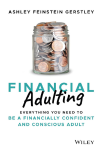
Financial Adulting: Everything You Need to be a Financially Confident and Conscious Adult (1st Edition)
- Easy-to-follow personal finance guide that makes complex money topics feel simple.
- Covers budgeting, paying down debt, retirement planning, and smarter money decisions.
- Includes practical steps you can apply alongside a credit rebuilding plan.
Disclosure: As an Amazon Associate, we may earn from qualifying purchases.
Final Thoughts
The best credit cards for bad credit with no deposit are tools, not shortcuts. They offer access to credit without requiring upfront cash, but they demand discipline and awareness.
Choosing a card with fair terms, using it lightly, and paying on time can gradually rebuild trust with lenders. Progress may feel slow at first, but steady habits often lead to better opportunities over time.
Rebuilding credit is less about finding a perfect product and more about creating consistent financial behavior that supports your goals.
